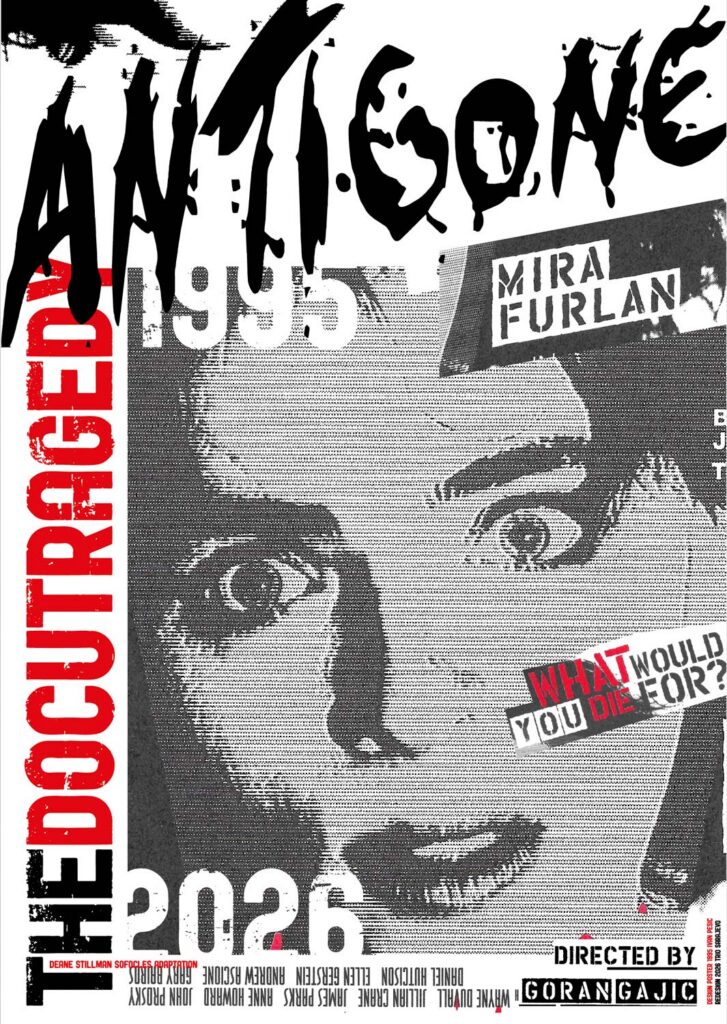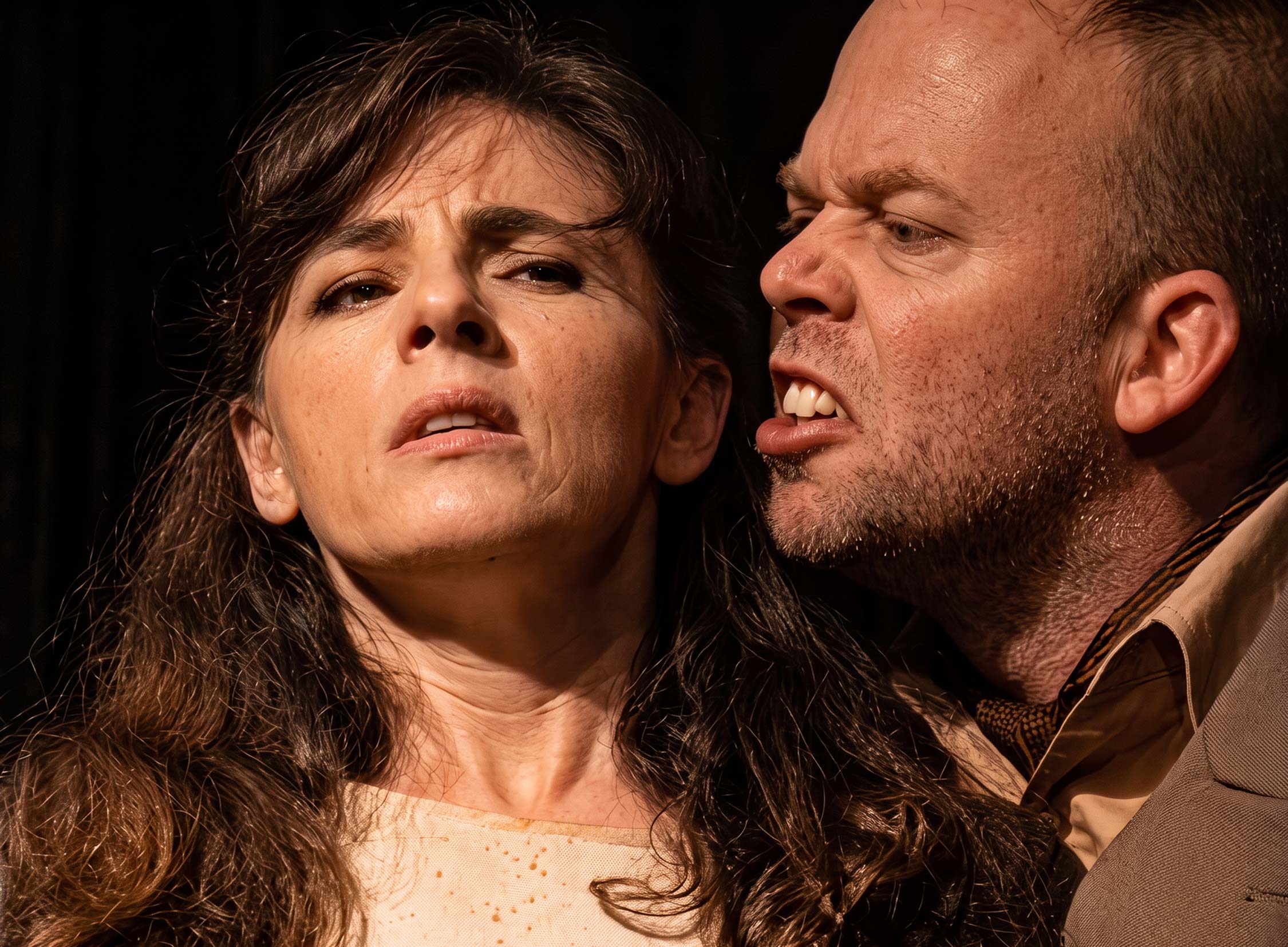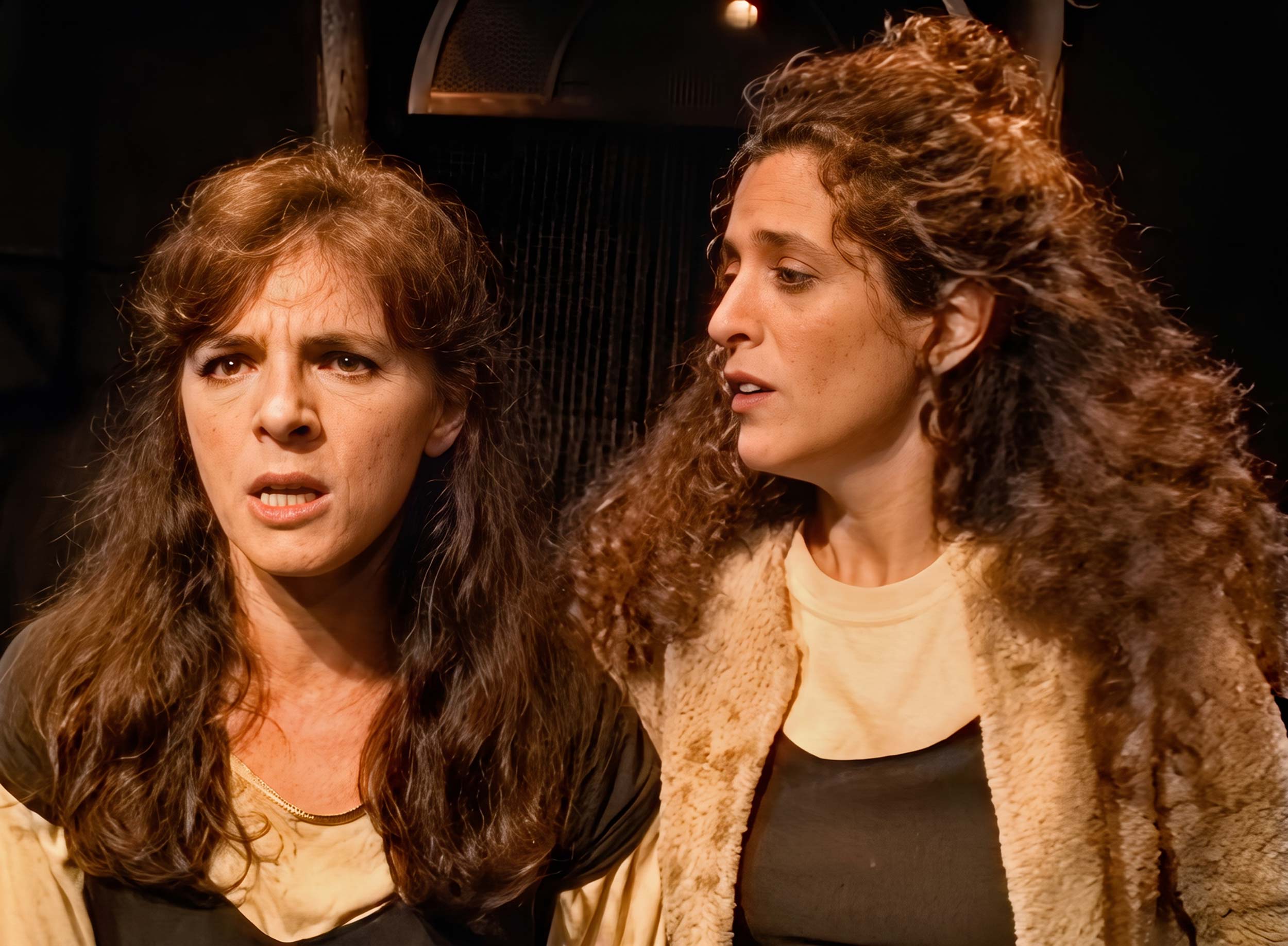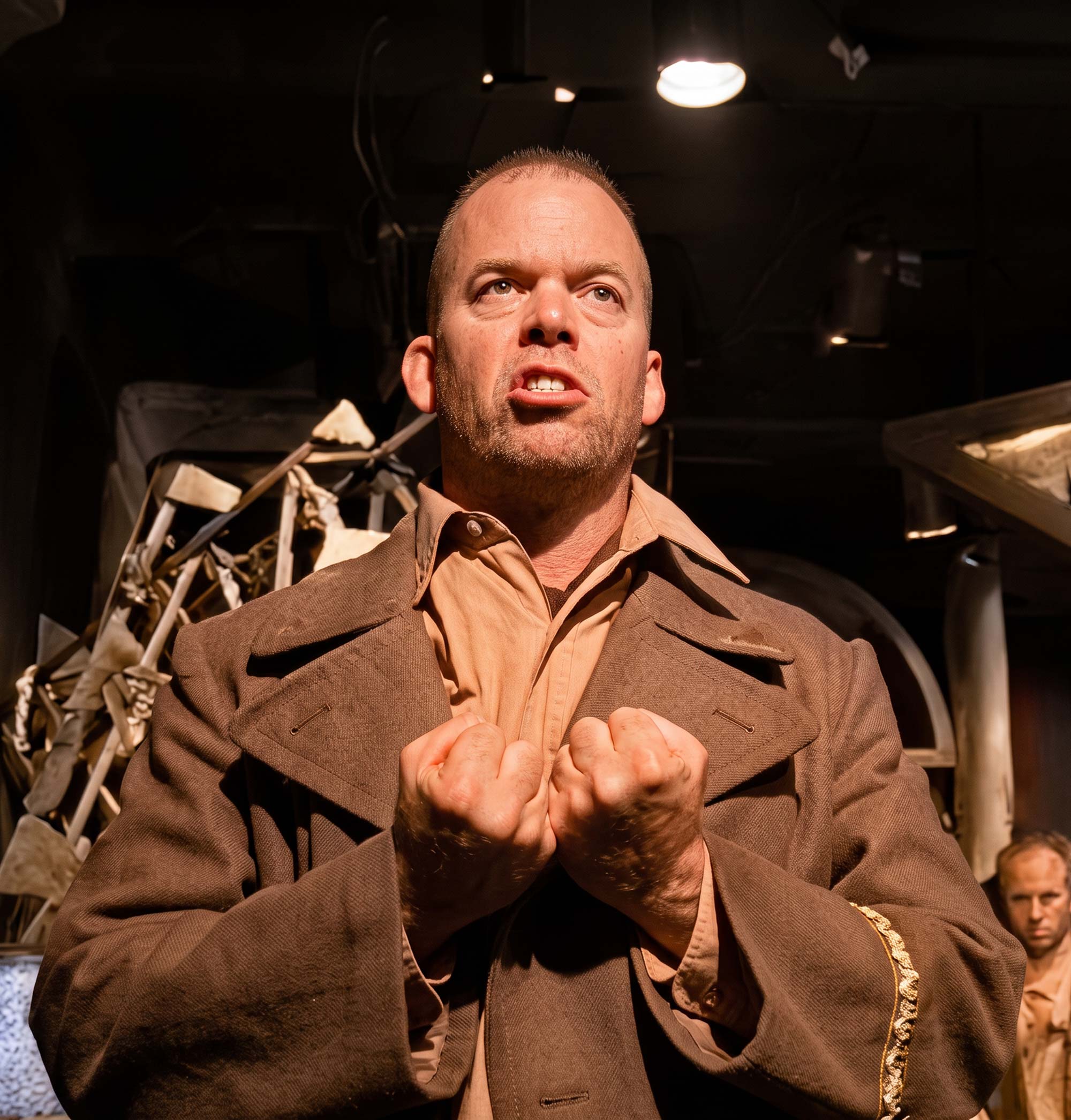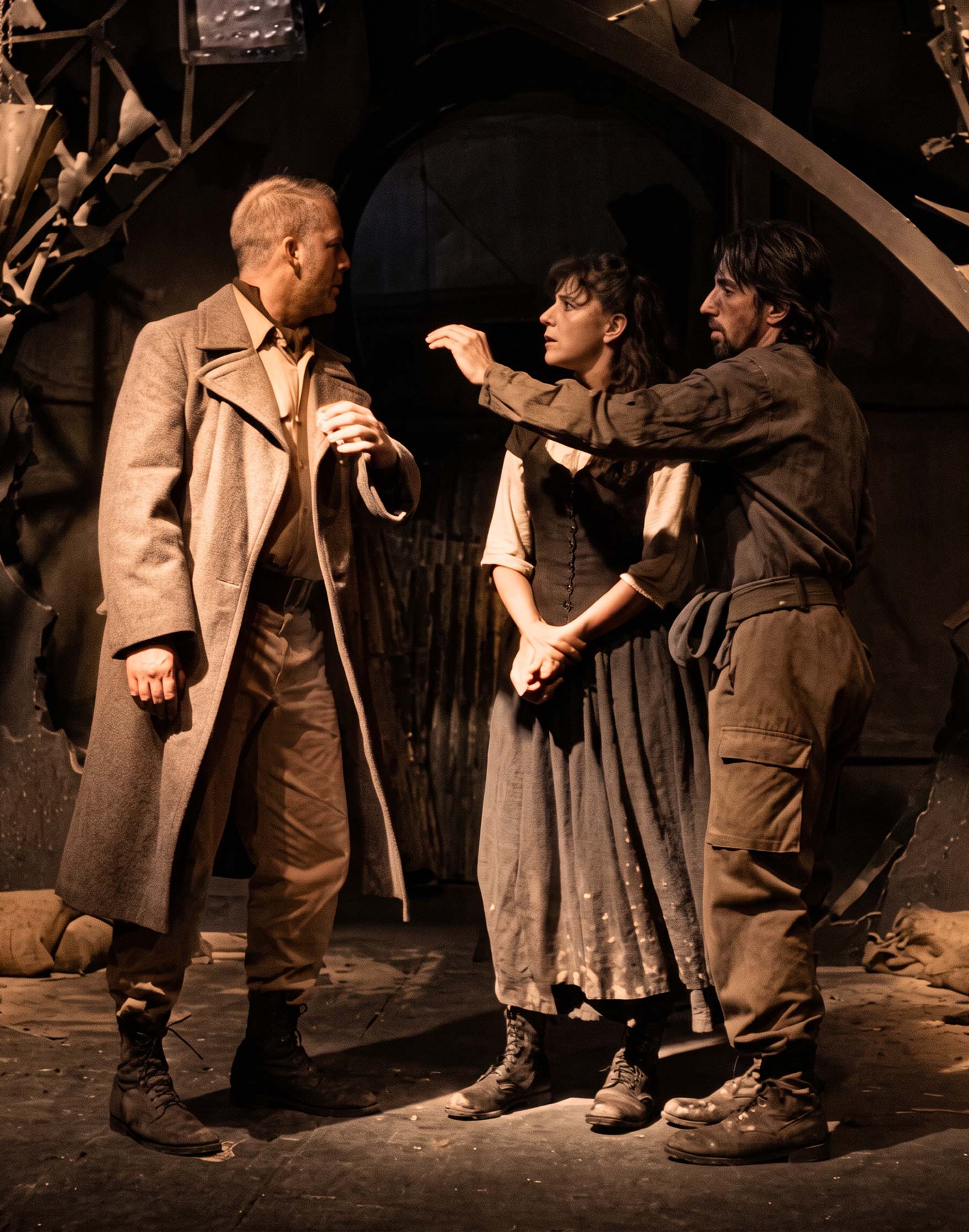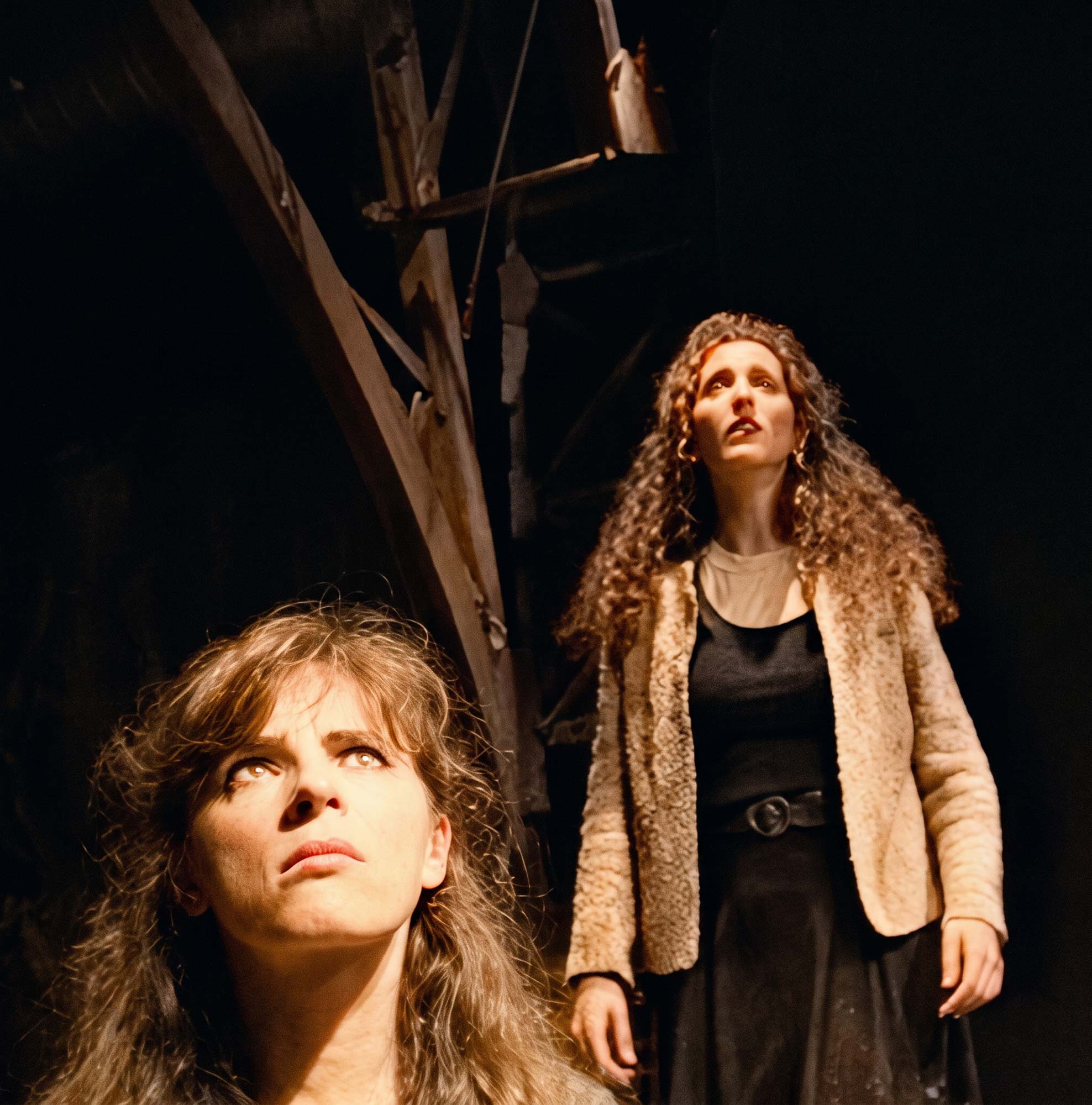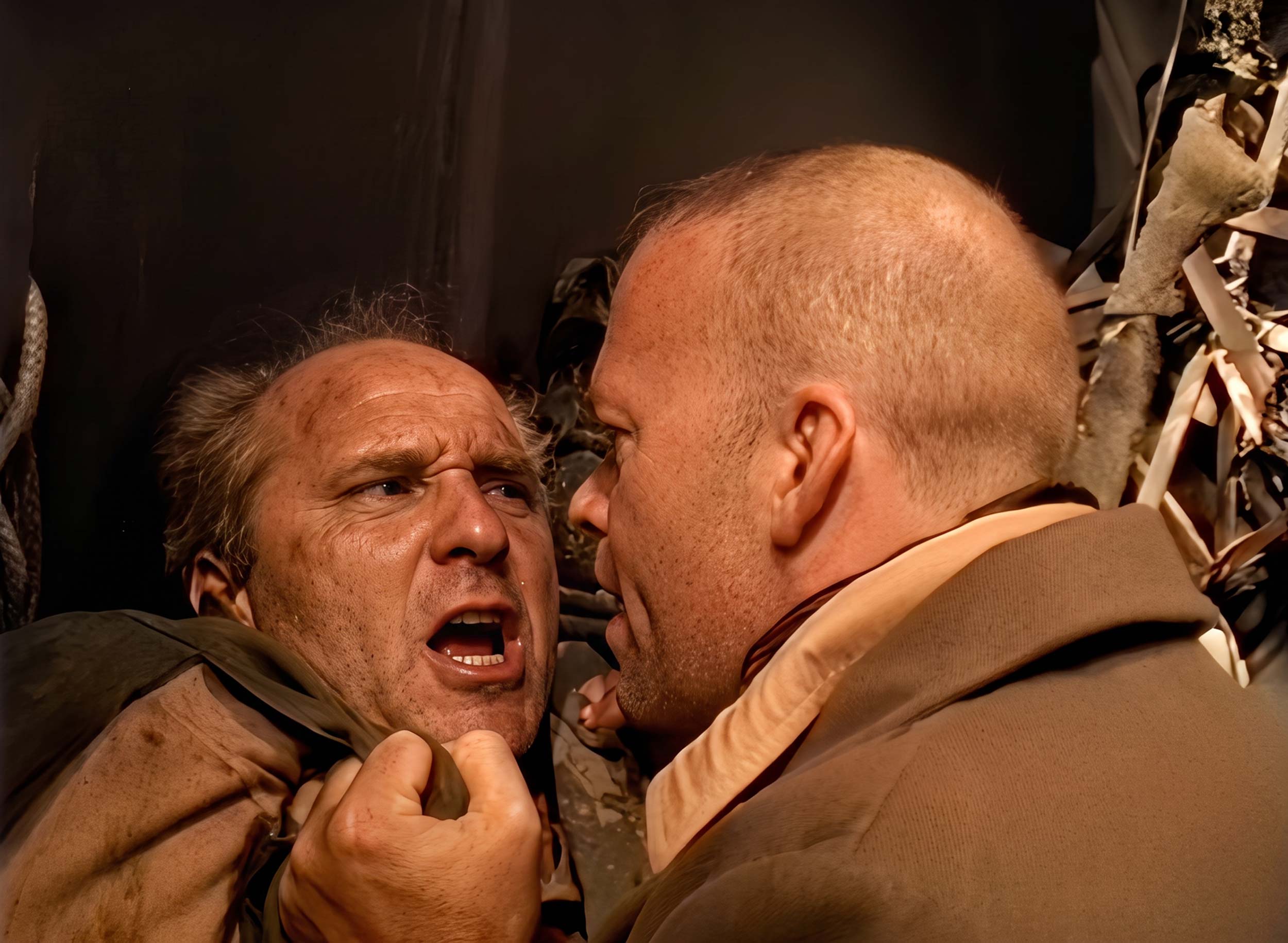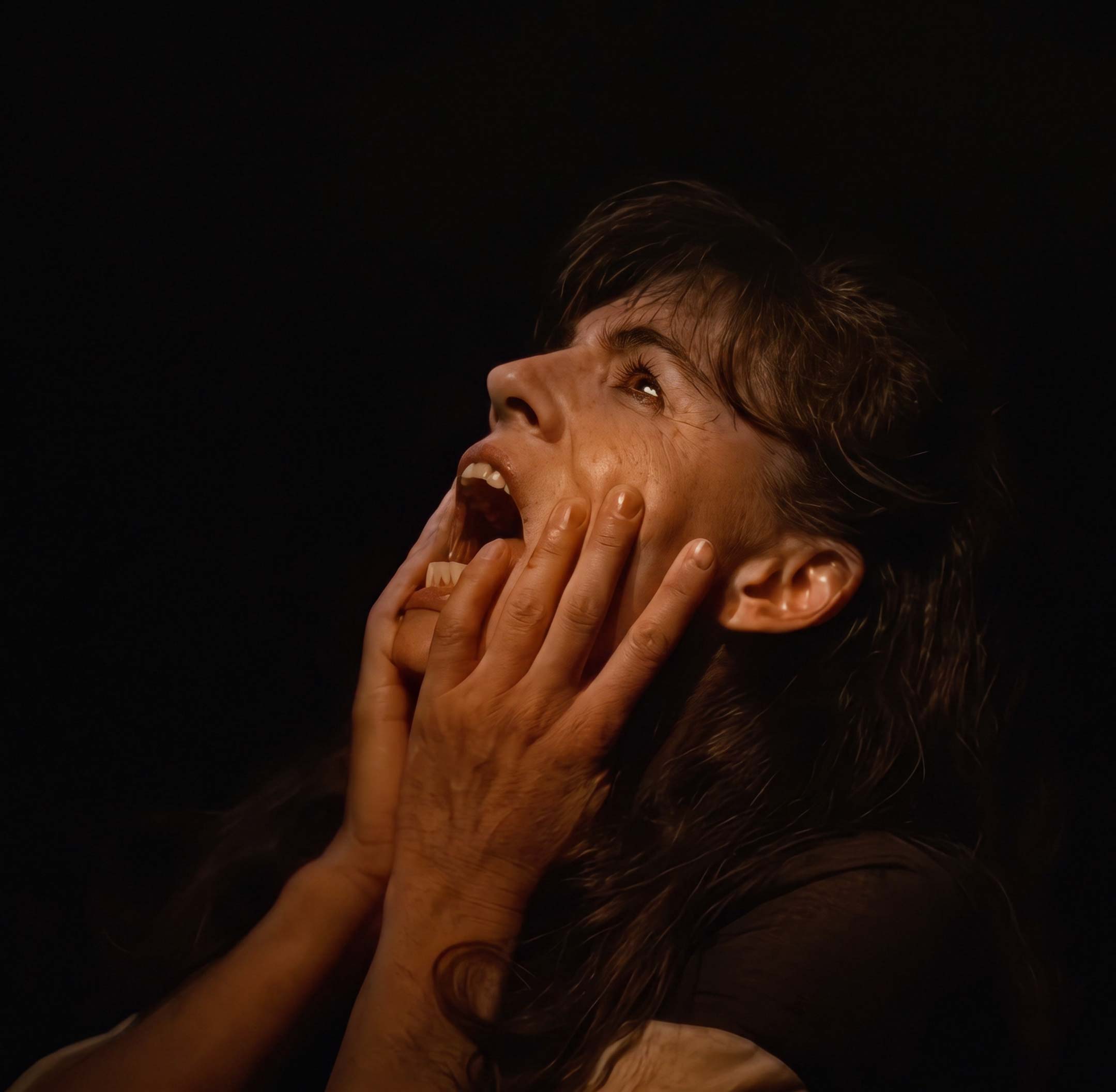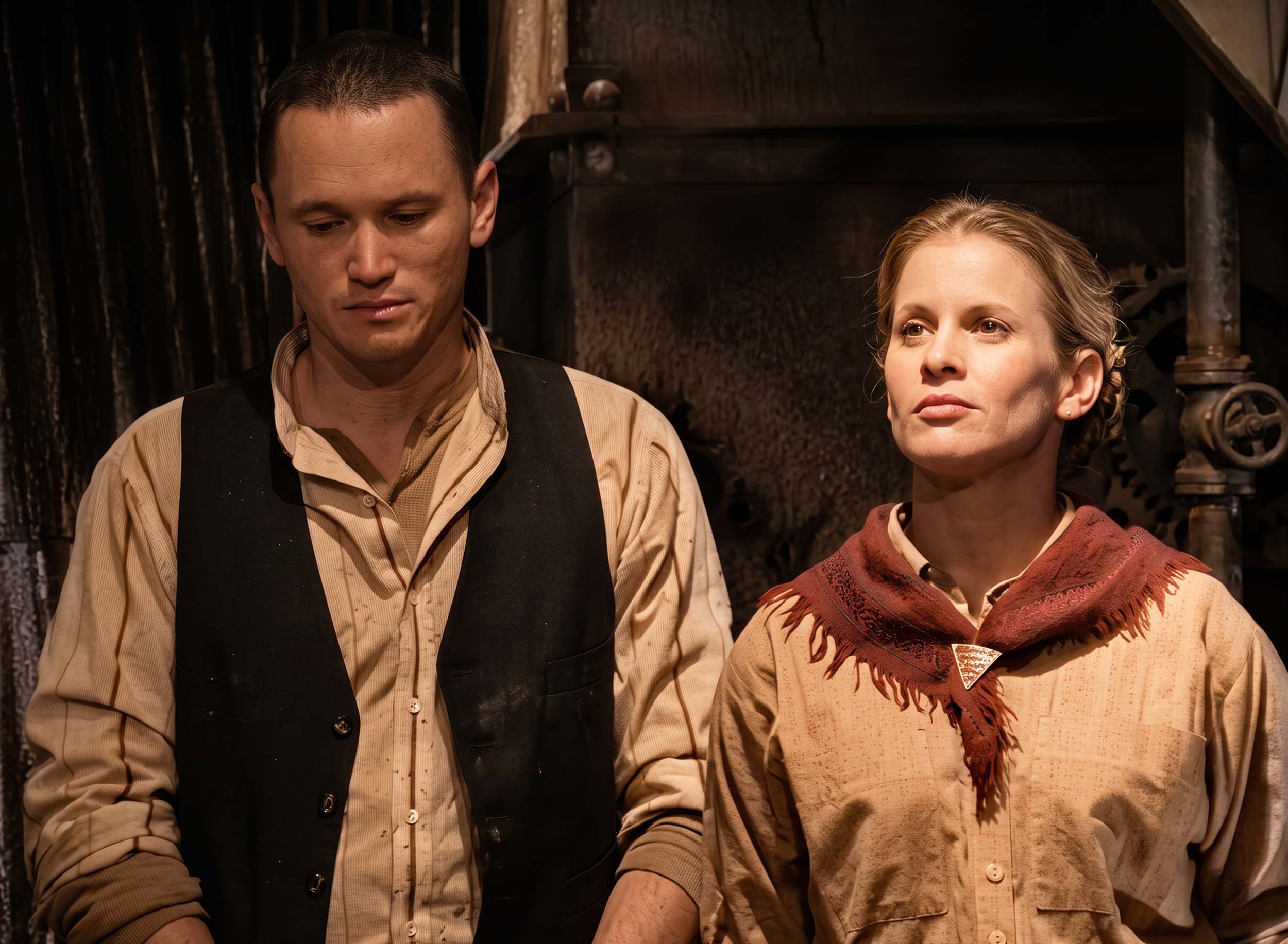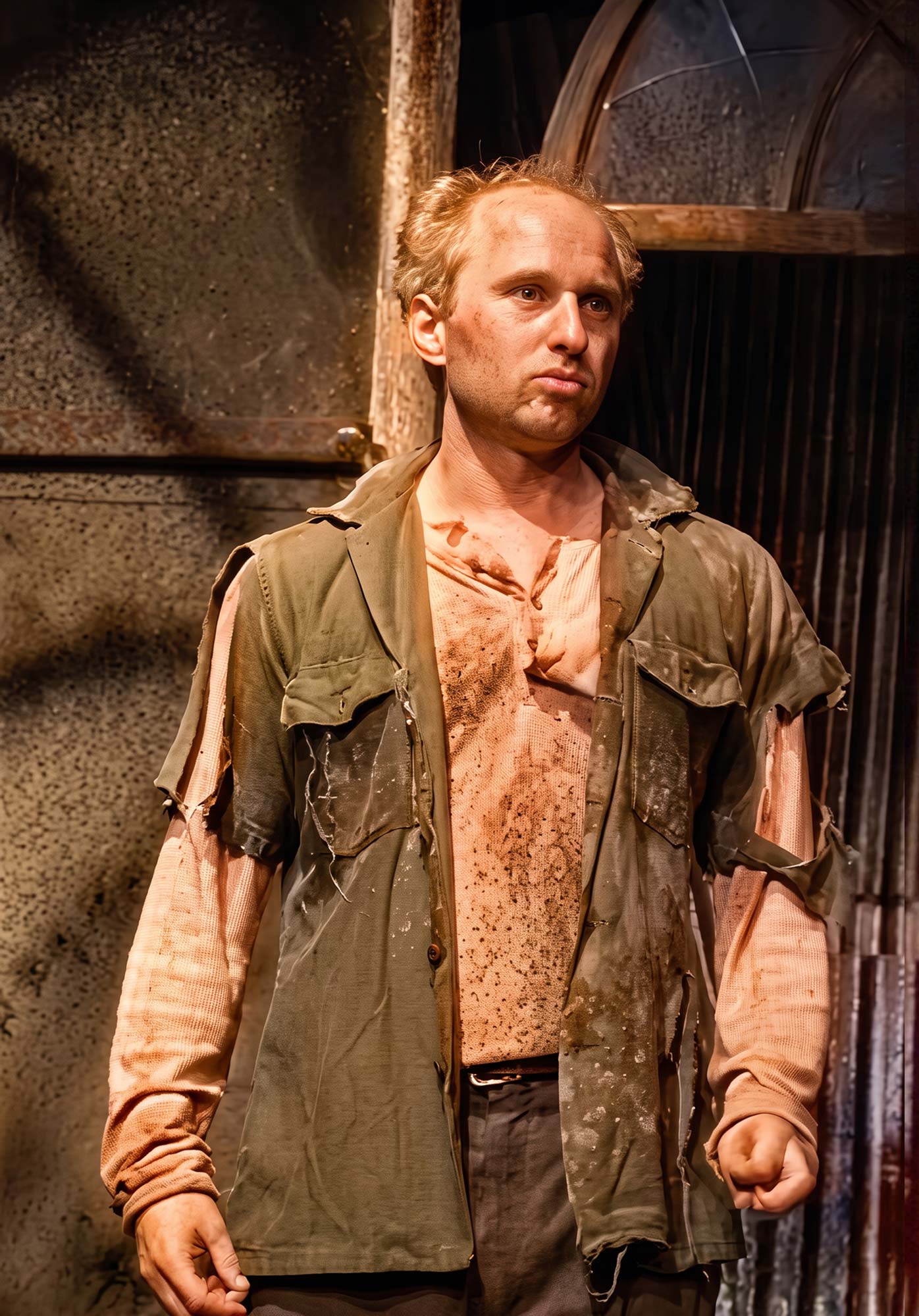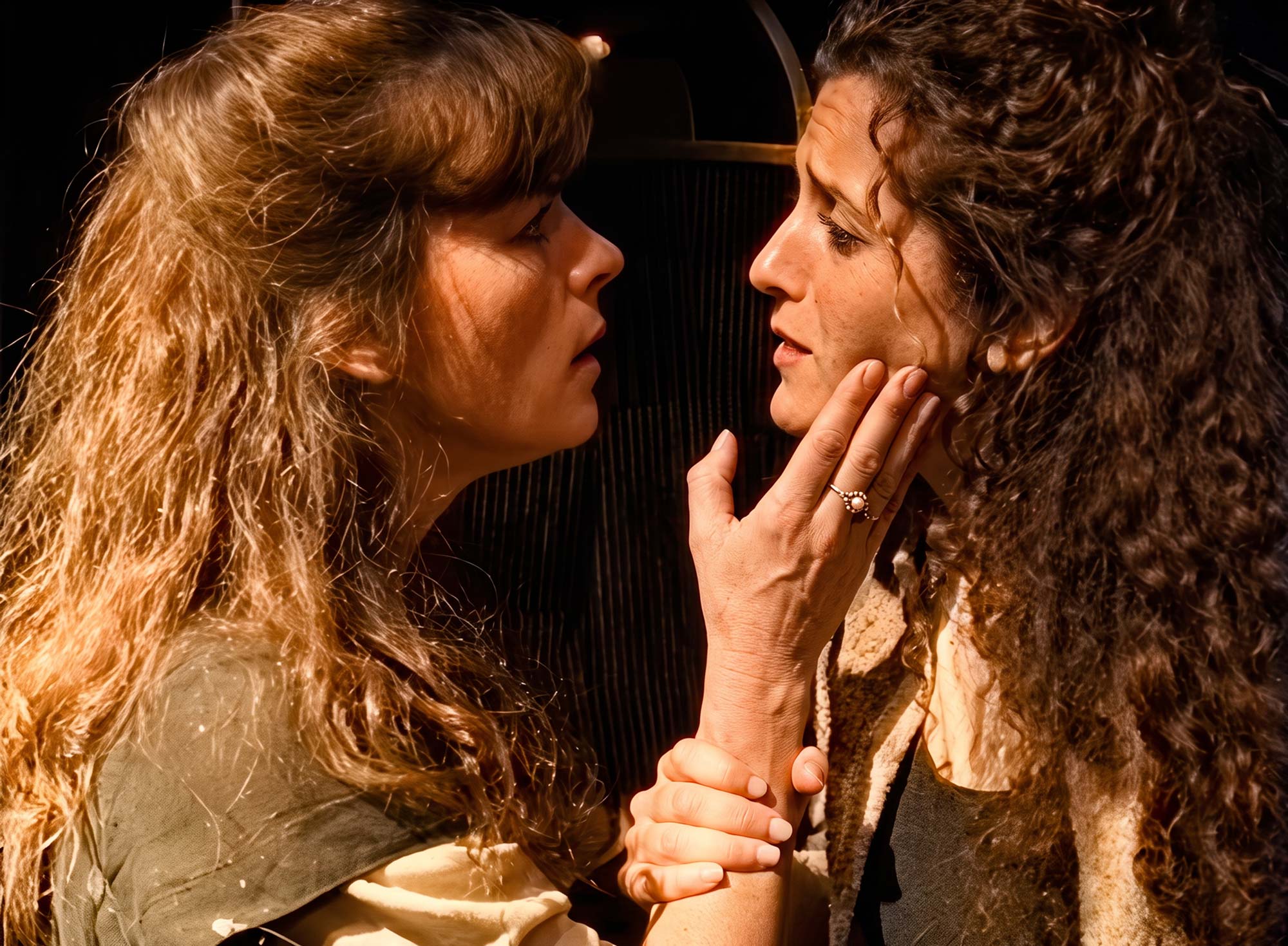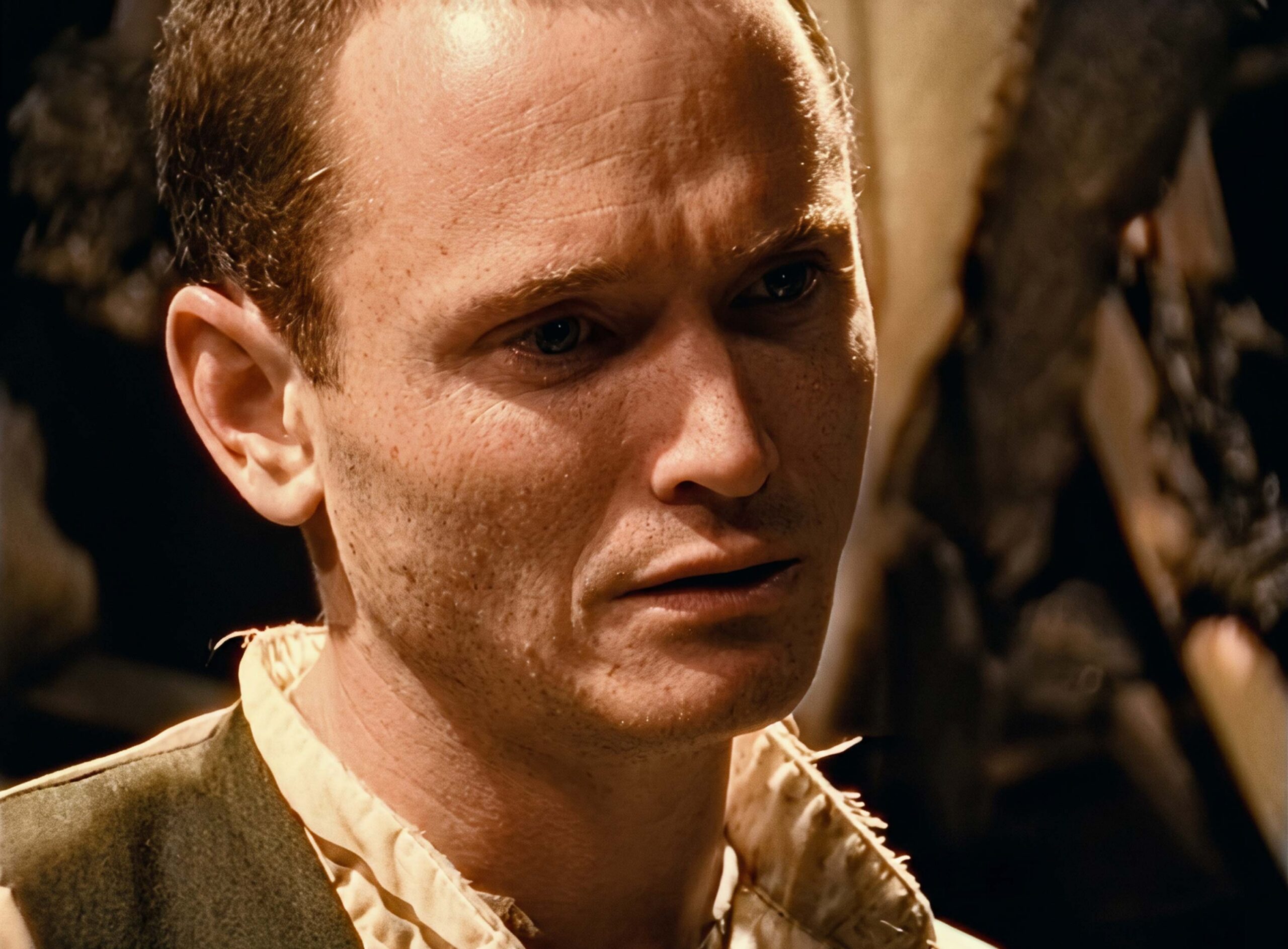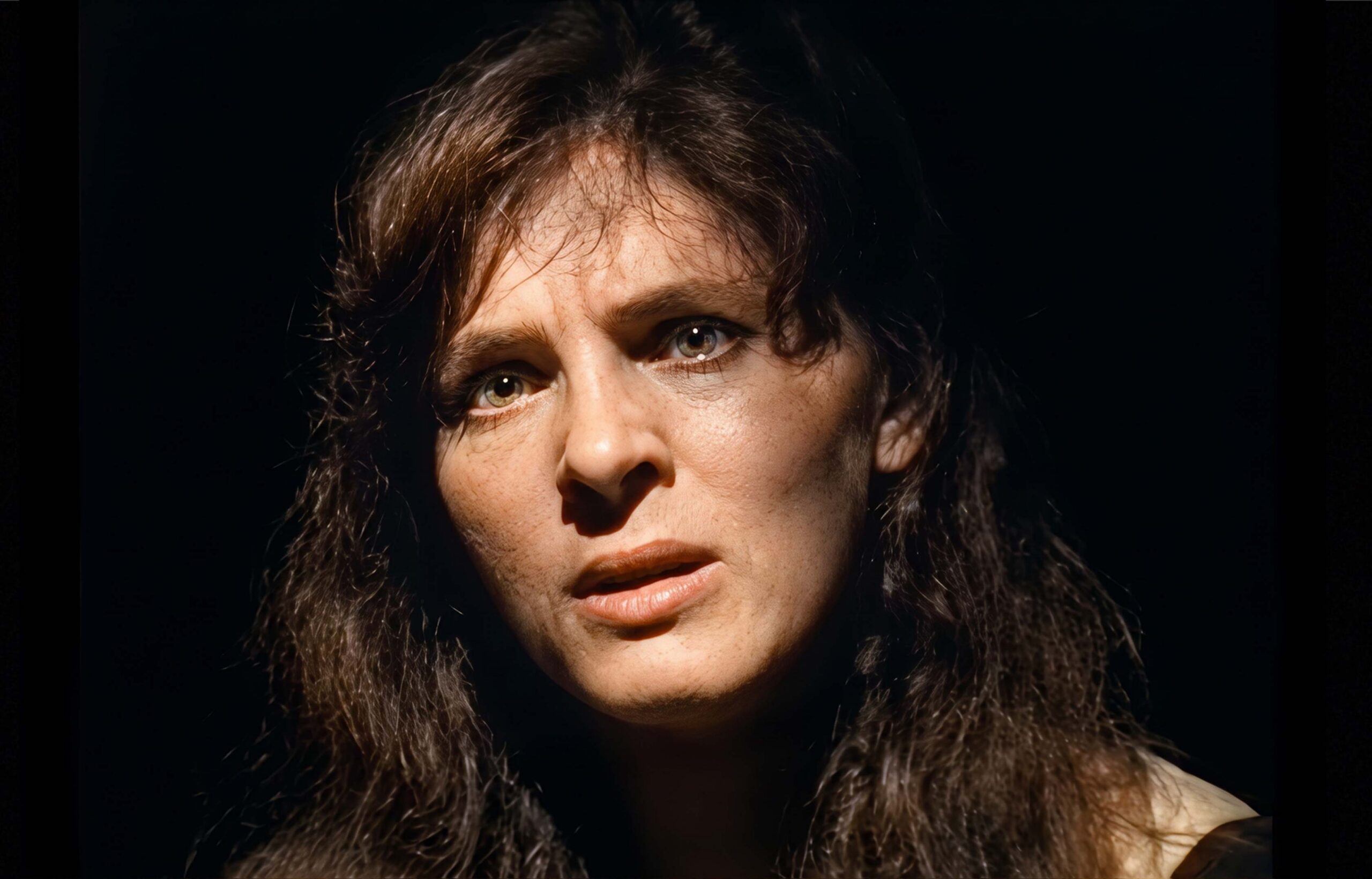

A 1995 Los Angeles independent productionof Antigone, starring Mira Furlan, becomes thefoundation for a new cinematic work in whichancient tragedy, documentary testimony,and the perspective of three decades convergeinto a meditation on power, exile,media, memory, and moral choice.
Some works of art belong to the moment in which they are made. Others reveal their deeper, new meaning only with time.
Antigone the Docutragedy grew out of a small independent production ofSophocles’ Antigone, staged in Los Angeles in 1995. Directed by Goran Gajićand starring Mira Furlan, it was created in response to the wars in the former Yugoslavia and the rise of nationalism that forced many artists, including its creators, into exile. Rather than presenting Antigone as a classical text, the production treated it as a living story about its own time.
Thirty years later, the surviving recordings tell a different story. Without changing a single frame, they have become more than a record of a theatrical performance. They have become a documentary about the world that surrounded the production—about America, Hollywood, exile, the media, and the people whose lives continued long after the curtain fell.
Built around the restored performance and enriched with documentary material, Antigone the Docutragedy is neither a filmed play nor a conventional documentary. It is a feature film about how time can change the meaning of a work of art without changing the work itself.
The play remained the same.
The world did not.
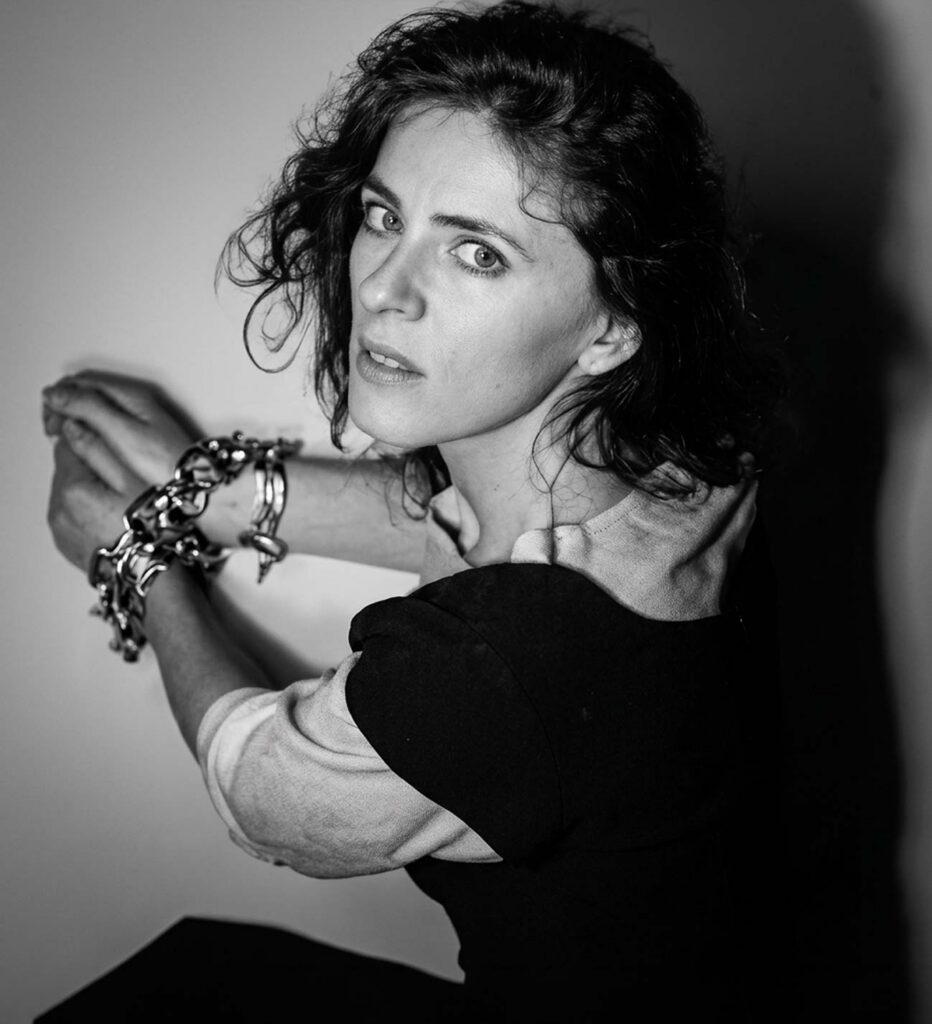
"Bury him. Whatever it costs."